
Why quality clothes alterations
Buying a garment off the peg means choosing an item in the size closest to your body measurements. Because the industry uses standardised measurements that fit a variety of body shapes, the item might fit you ‘well’ in some places but not everywhere. Body shapes are unique and individual, and we are often in-between the classic sizes. You might be a size 8 in your shoulders, and a size 10 in your hips. For this reason, most clothes we buy would benefit from some alterations.
Should I have all my clothes altered?
Not all clothes need altering. Some can be worn more relaxed, and some budget, fast fashion clothes are not worth altering because they might lose shape after several washes.
You should alter the clothes that are important to you; it might be your signature pieces, clothes you want to wear for special occasions, or an item that you love, but it doesn’t fit you well.
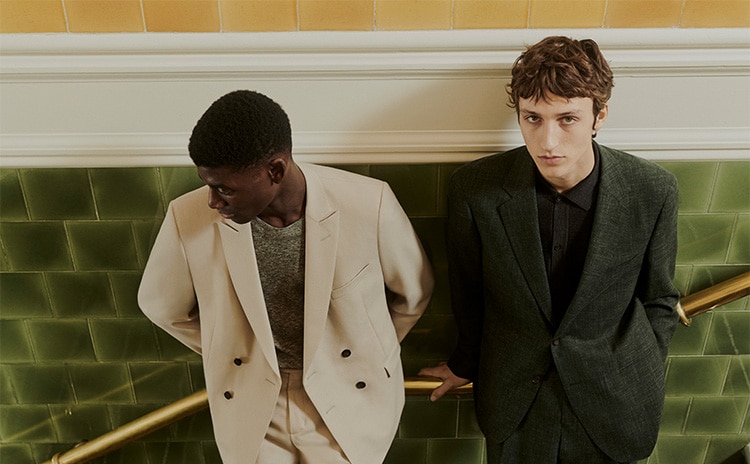
In London, the city of fashion and professionalism, first impressions shape relationships. Well-fitted clothes contribute to confidence, comfort, and presence in encounters, meetings, shows, and presentations. Shakespeare’s insight—’the apparel oft proclaims the man’—remains relevant: properly altered garments matter.
Are cheap clothes worth altering?
If they are important to you, you love wearing them, and you want to create your best looks, they should be altered. Mention the budget you set aside to your tailor before your fitting.
Fast Fashion and alterations
Unfortunately, the trend towards low-cost clothing has created the perception that alteration costs are out of line with purchase costs because their charges don’t match the low value placed on the clothes. However, it is not the alterations that are expensive; it is that we have come to expect all aspects of our clothing to be much cheaper and to match what we paid for them new.
Remember, regardless of what you originally paid for a garment, when you have it altered, you are paying for the tailor’s and seamstress’s overheads, time and expertise, materials, and fittings.
Where should I have my garments altered?
Depending on your garment type, quality and value, you might like to use a variety of alteration services and tailors. Your tailor around the corner can easily shorten a pair of standard jeans or taper the legs of suit trousers but might struggle with designer finishes like distressed looks or embroidery.
Where should you bring those? Which alteration service can guarantee that your evening gown will be altered without compromising its style, finish, or proportions? Choosing the right service for the job at hand is critical.
If your wardrobe includes high-quality and designer wear, we recommend choosing specialised professional services that offer extra care, including quality control and fitting. They tend to be more expensive but so worth it.
The aim of high-quality alterations is not only to ensure that a garment is wearable, in fact it should fit you like a glove. The adjustments should be unnoticeable and the original finishes and proportions should be re-applied.
Choosing the right alteration service for your garment
High-quality alterations start with a professional fitting, during which the client’s garment is pinned to show what it will look like once the alterations have been completed. The fitter will first take measurements and then advise the client on which alterations are technically possible. Good fitters have years of experience so that they can advise you properly regarding feasible alterations and what suits you best.
Online alteration platforms offer a range of services, including repairs and ironing. Often, value-for-money budget alterations, as part of dry-cleaning services, offer simple alterations.
By choosing appropriate alteration services, you ensure the value of your designer item is preserved, whether you plan to wear it for many years or to resell it at some stage.
What makes quality alterations
Keep as original look
Quality services unpick and re-sew the hem with the same thread colour and stitching, whereas cheaper services tend to run an additional seam next to the original seam, e.g., tapering trouser legs or shortening dress hems. This is the first hint for a quality alteration.
Maintain the proportions
The proportions of a garment should stay intact. If a garment needs to be taken in or let out, the amount should be distributed evenly across panels and garment elements to avoid affecting the proportions.
Re-apply the original finish
The finish of the alterations should stay as close as possible to the original – a French seam should always be reapplied as a French seam, for instance. Certain finishes have been used for a reason. Compromising a designer garment’s finer details is compromising the entire garment.
Well-fitted garments bring joy!
There is nothing more satisfying than getting excited about wearing your garments that you love and fit you well!
To find out more about high-quality alterations and how your wardrobe can benefit from an alteration overhaul, email reception@designandalter.com.